July 21, 2026
Medusa in 2026: How Modular Architecture and AI Are Redefining E-Commerce

5 minutes reading

For a long time, all-in-one e-commerce solutions like Shopify succeeded thanks to their simplicity and quick time-to-market. However, this model is now showing its limitations. Margins eroded by commissions, soaring costs, and a closed ecosystem often end up slowing merchants’ growth. It’s this pursuit of flexibility and cost control that has recently made Medusa.js stand out.
At Premier Octet, we've been closely following this evolution. Back in October 2023, we analyzed Medusa’s V1 in a first blog article. Three years later, the spring/summer 2026 announcements confirm the trend: the future belongs to modular architectures, natively designed for AI-assisted development. It’s the perfect time for an update, diving into the latest features that are redefining our approach to e-commerce.
1. Agentic Engineering: When AI Integrates Into the Development Workflow
Medusa’s strength is its role in driving a fundamental paradigm shift in e-commerce. While the market long relied on templates and off-the-shelf sites to speed up launches, today’s trend demands complete personalization, now powered by AI.
Enter the Medusa AI Toolbox: an ecosystem of tools that structures and secures agent involvement, letting them build custom features from a single prompt.
Agent Skills Library: Structuring AI with Medusa’s Native Expertise
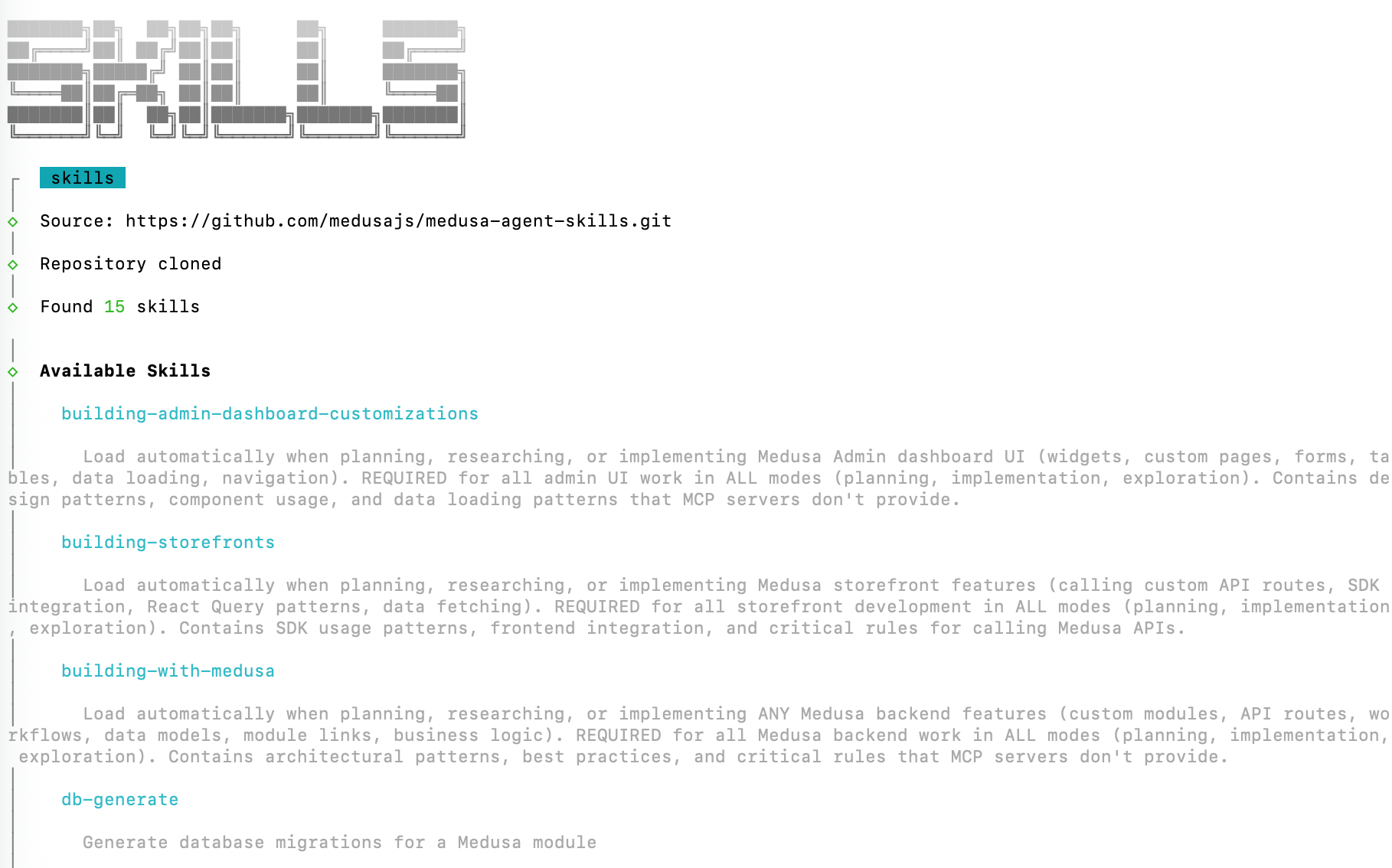
To keep agents on track and ensure they follow framework standards, Medusa provides its own skills library. To add it to your project, simply run:
npx skills add medusajs/medusa-agent-skills
Three main skill sets are available to your agent:
- Admin & Dashboard (
building-with-medusa,building-admin-dashboard-customizations): delivers foundational knowledge of Medusa’s architecture to build custom e-commerce features (wishlists, external service integrations, etc.) and extend the admin UI. - Storefront & UX (
building-storefronts,storefront-best-practices): brings together e-commerce best practices (SEO, UX) to build your store independently of your chosen framework (Next.js, Vite, etc.). - Store Operations & Automation (
creating-internal-agents): allows you to set up autonomous agents for day-to-day management (automatic stock audits, personalized customer support, etc.).
An Interactive Plugin and Tutorial on Claude Code
Medusa integrates directly into Anthropic’s CLI via two dedicated extensions: while medusa-dev is for instant feature generation, what really stands out is the unique interactive onboarding with learn-medusa@medusa. Just type /learn-medusa:learning-medusa or prompt “I want to learn Medusa” and the AI acts as a mentor, guiding you step by step through a real practical case.
# Start Claude Code and add the Medusa repo
claude
/plugin marketplace add medusajs/medusa-claude-plugins

# Features
/plugin install medusa-dev@medusa

# Tutorial
/plugin install learn-medusa@medusa
A Medusa-Tailored ESLint Plugin
Conventional linters ignore Medusa’s conventions. The result: perfectly valid TypeScript code can still crash at runtime (e.g., non-serializable data, incorrect route names). That’s where @medusajs/eslint-plugin comes in. If your code doesn’t comply, the linter throws a clear error—no more time-consuming debugging. The plugin is included by default since v2.16.0, with three presets: recommended (standard), strict (typed), and modules (packages).
2. New Features and Plugins for True Customization
Medusa’s open-source offering is expanding with the introduction of major new features and plugins.
Global Product Options & Multi-shipping: Breaking the Catalog Limits
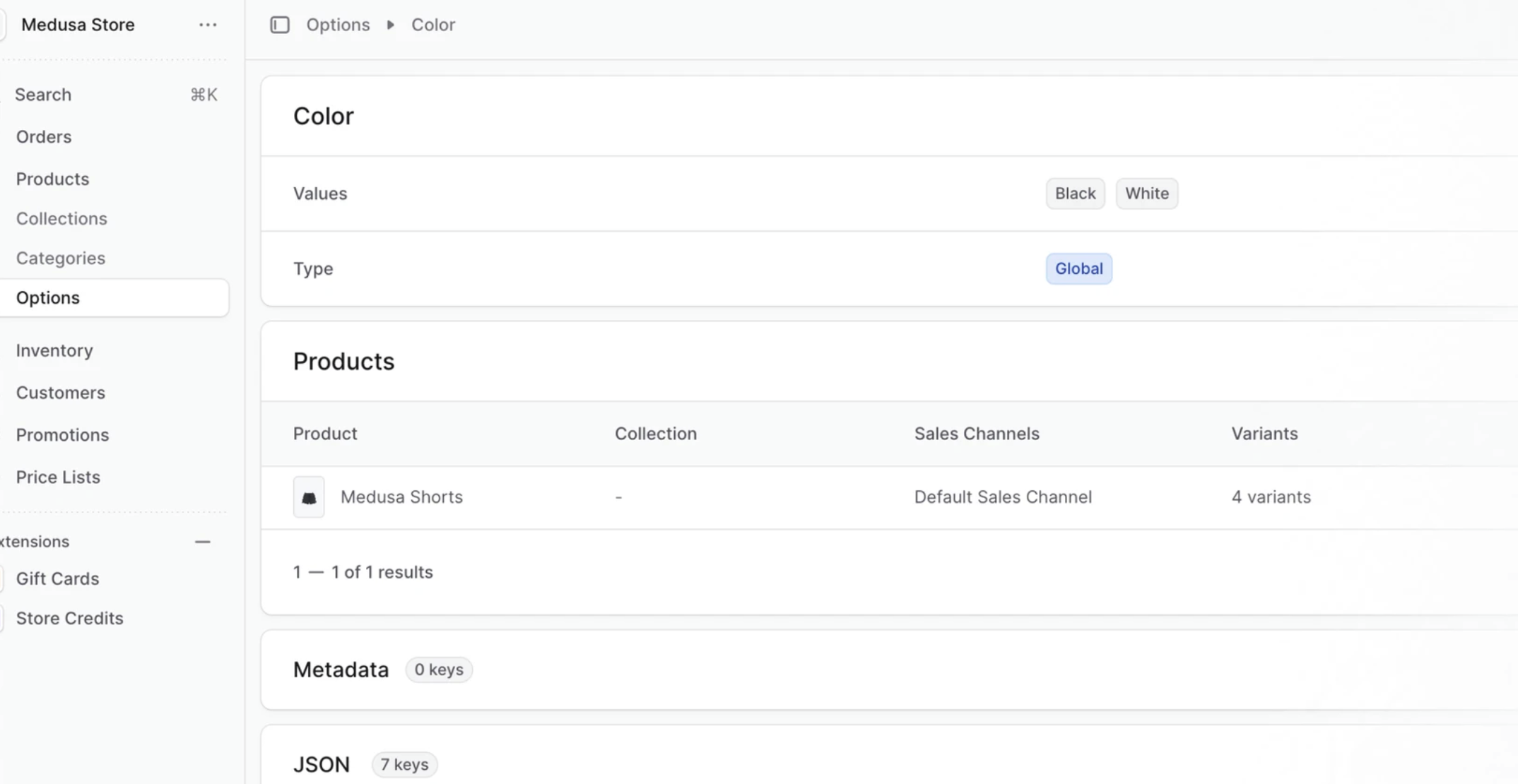
The June 2026 update introduces one of the community’s most requested features: Global Product Options. It’s now possible to create reusable options, centralize their values, and let users filter products by shared attributes right in the storefront.
On the checkout side, the framework pushes boundaries even further with support for Multi-shipping carts. An order can now include several shipping methods across different delivery profiles.
Loyalty Plugin: Loyalty Now 100% Open Source
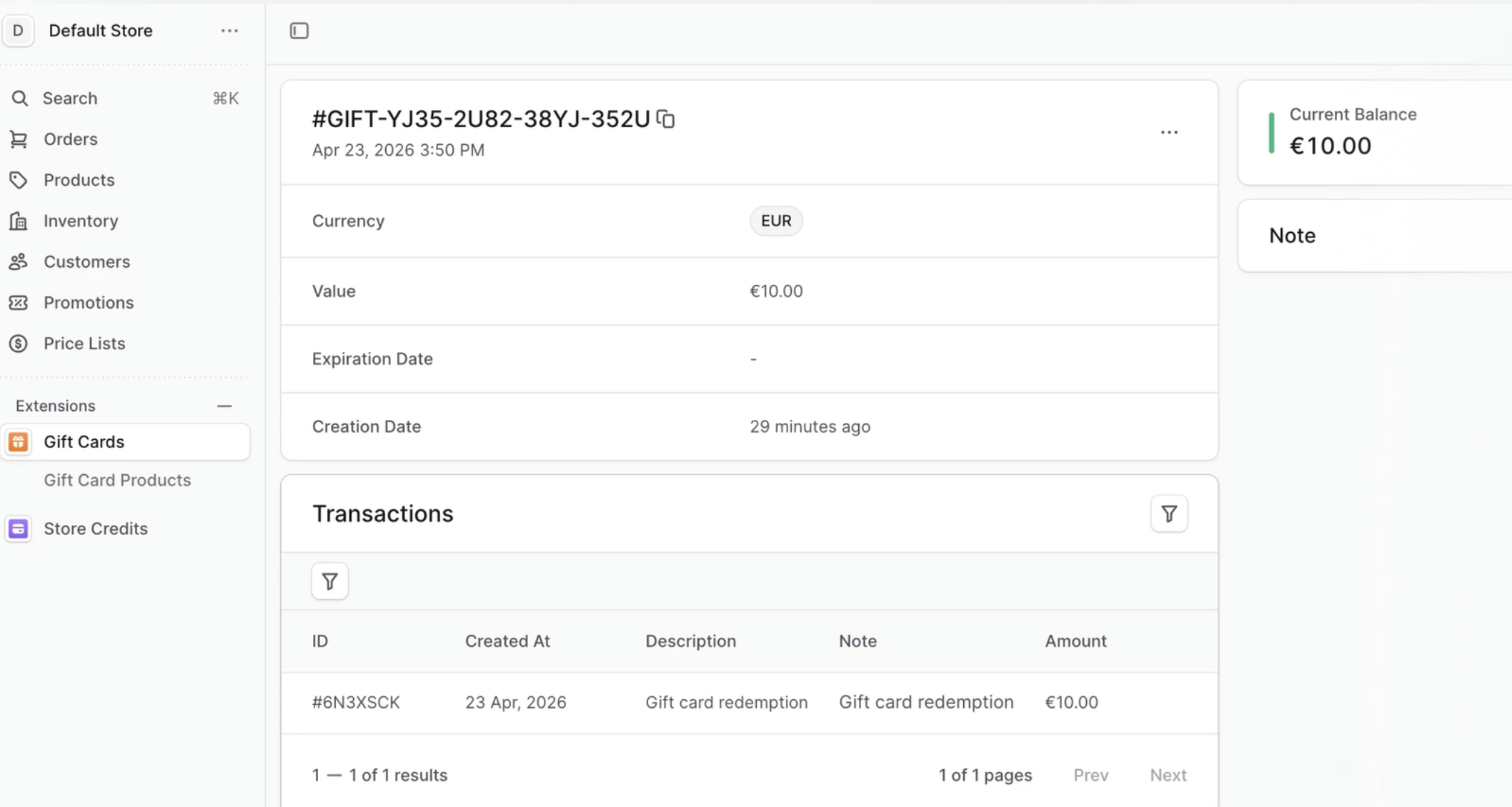
Initially only available to Medusa Cloud users, the Loyalty Plugin is now part of the standard open-source release (v2.14.0). Split into two standalone modules (Loyalty and Store Credit), this tool gives merchants centralized management of gift cards and store credits. No more expensive third-party SaaS subscriptions. Developers now have native building blocks to code virtual wallets, cashback systems, and layered VIP programs with complete freedom over business logic.
Shopify Sync: The Plugin That Simplifies Migration from Shopify
Medusa’s growing reputation as a Shopify alternative is strengthened with the @rx-ventures/medusa-plugin-shopify-sync plugin. Designed for migrations or hybrid architectures, this tool automates full migration of your catalog (customers, products, orders, discounts) from Shopify to Medusa v2.
# 1. Install the Shopify Sync plugin
yarn add @rx-ventures/medusa-plugin-shopify-sync

# 2. Generate the encryption key to secure your Shopify token
openssl rand -hex 32
# -> Copy into your .env: SHOPIFY_SYNC_ENCRYPTION_KEY=...

# 3. Run the migration to create tracking tables
yarn medusa db:migrate
Once the plugin is configured, everything is managed from the Medusa dashboard:
- Configuration & synchronization: link your store from the dedicated tab and import your history in a single click, in the recommended order (customers, products, discounts, then orders).
- Webhooks & logs: instantly activate real-time routes to keep stock and sales in sync, complete with a monitoring screen that updates every 5 seconds for live activity tracking.
Enhanced Security: Built-In Multi-Factor Authentication (MFA)
Medusa’s authentication module now features built-in MFA. The implementation relies on configurable providers, including support for TOTP apps (Google Authenticator, etc.). This modular approach secures access—especially for admin accounts—while giving you fine-grained control over verification flows and access policies.
3. Infrastructure & Production: Medusa Cloud Comes of Age
One of the biggest advantages of a decoupled Medusa architecture is deployment freedom. The framework is a standard Node.js app, deployable on the cloud provider of your choice (AWS, GCP, Railway, etc.), giving you total control over hosting costs.
But for teams looking to offload DevOps without getting locked in by traditional SaaS, Medusa Cloud has matured with more robust production tools. While not mandatory, the managed solution now includes:
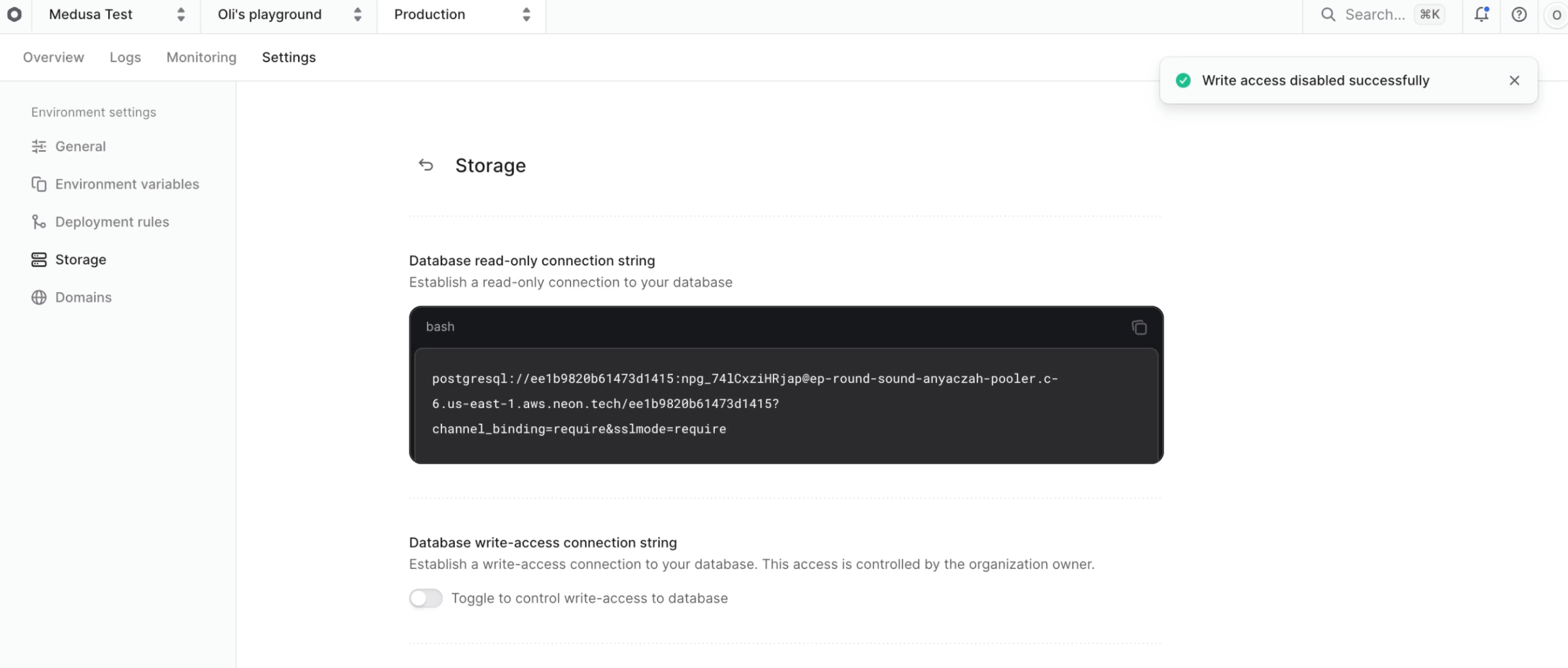
- Direct Postgres Access: write access to the database lets you run advanced scripts or connect real-time analytics tools.
- Advanced Telemetry: native dashboards to monitor API route latency and stay ahead of traffic spikes.
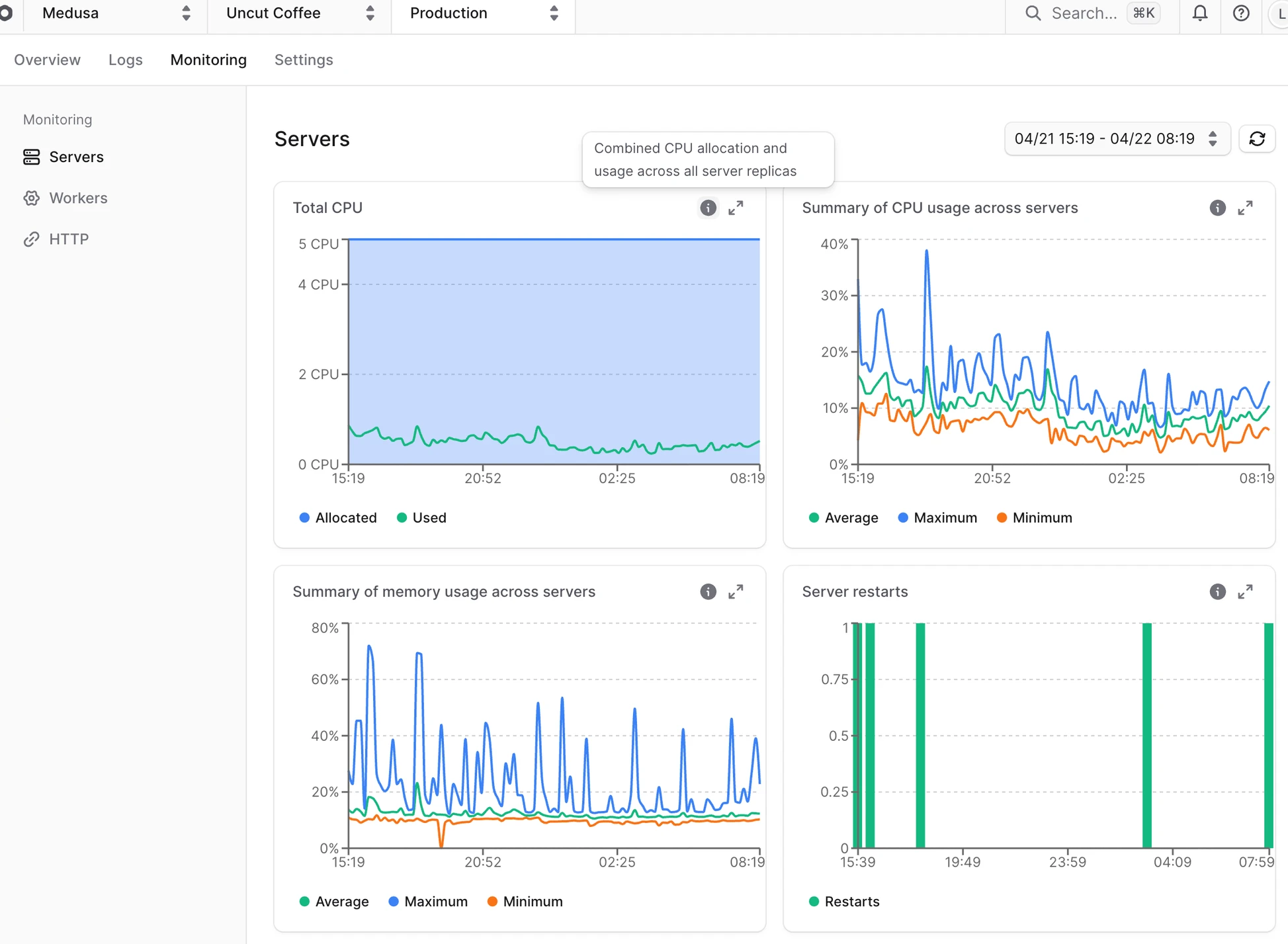
- A Dedicated CLI: with
@medusajs/mcloud, manage environments and monitor logs straight from your terminal.
Whether you manage your own infrastructure or use their cloud, Medusa now provides all the tools you need to handle smooth production and scaling.
Conclusion
As early as 2023, Medusa already struck us as a promising alternative to the monopoly of proprietary solutions. Three years on, the framework has not only delivered on its promises of flexibility; it’s now decisively ahead.
Rising prices and technical barriers from SaaS platforms are no longer inevitable. With integrated AI workflows and an ever-richer open-source ecosystem, Medusa has cemented its place as a leading Shopify alternative. The framework returns control to developers, enabling fully customized architectures—with no sales commissions.
Is your current platform holding back your ambitions? At Premier Octet, we're here to help you move toward a powerful, open, scalable e-commerce architecture. Contact us to discuss your project.